It’s supposed to be Spring Break at Bard, but I’m just thinking about all the writing and research work I have to catch up on. Taking a breath to share a few recent writings and talks that I have completed, since I haven’t posted anything here for awhile, and so that it reminds me that things do eventually get finished.
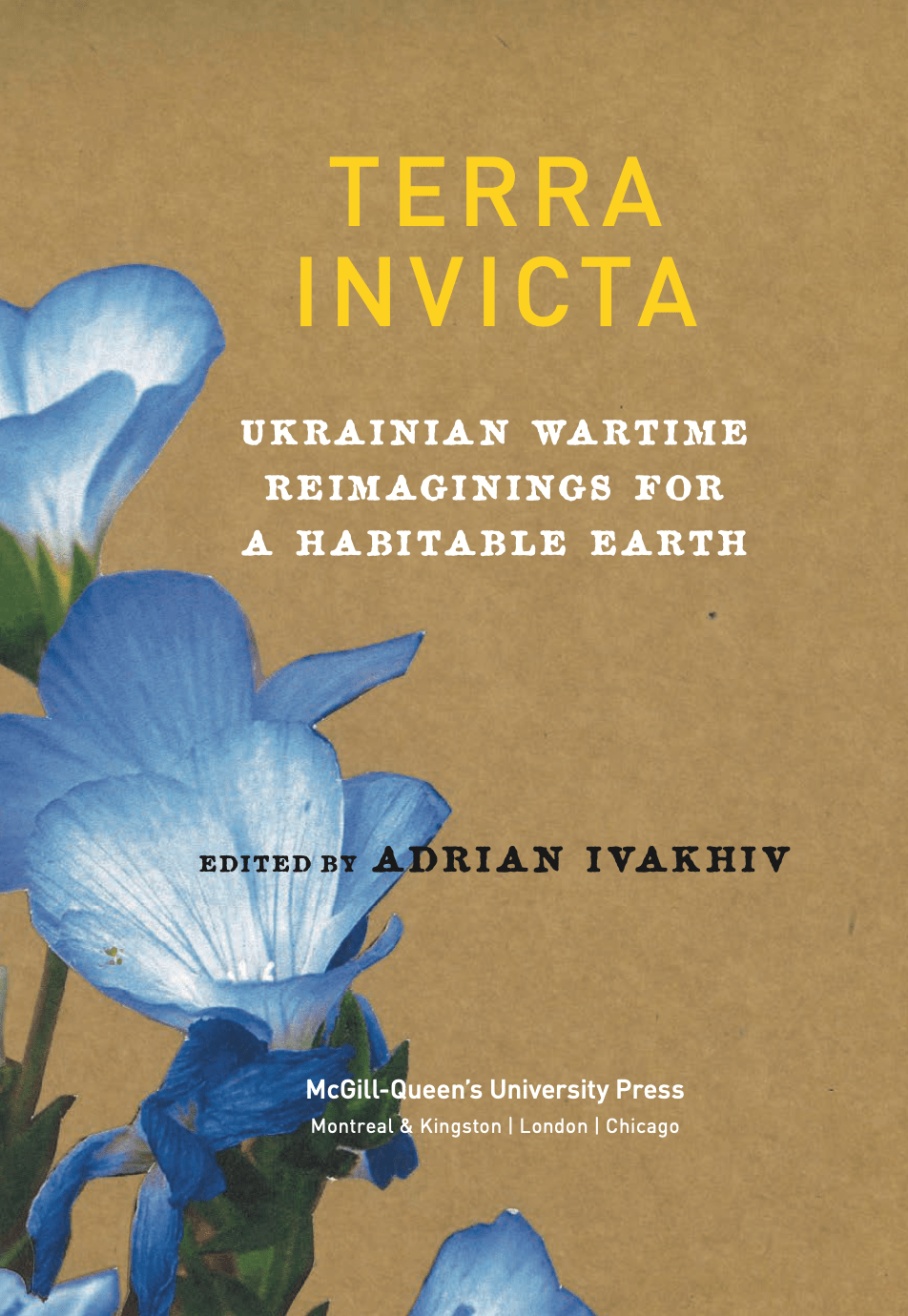
The first is that I have a chapter in Adrian Ivakhiv’s beautifully arranged and edited tome Terra Invicta: Ukrainian Wartime Reimaginings for a Habitable Earth (McGill-Queen’s University Press, 2025). You can download the whole beautiful book open access at this link. I contributed to a chapter on visions of Crimean Tatar Indigenous futurity and new old songs.
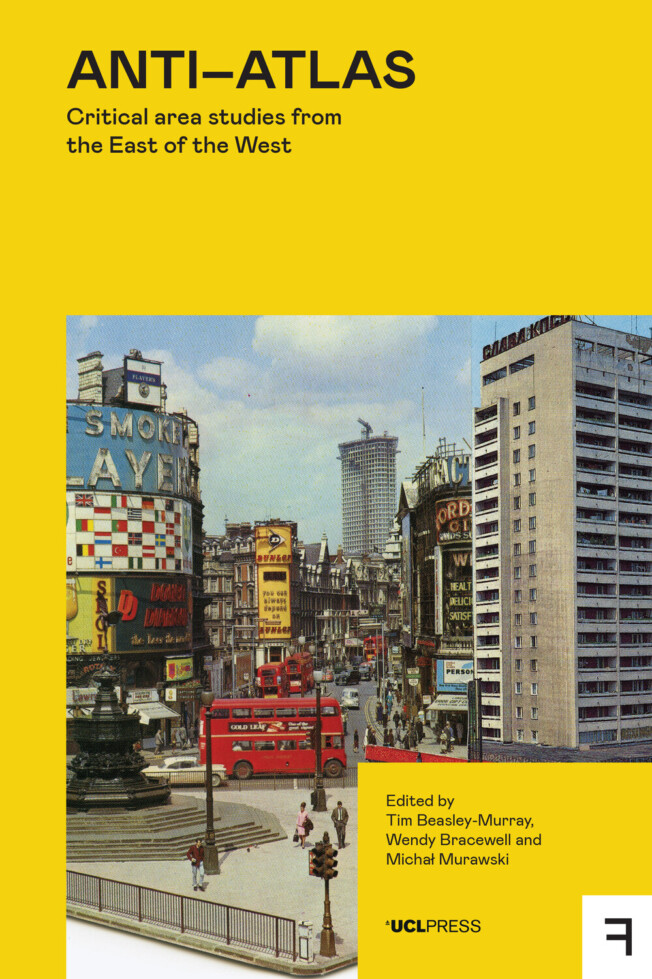
The second is that I had a chapter on “Sharovarshchyna”–that notorious form of Soviet and post-Soviet Ukrainian kitsch–come out in Anti-Atlas: Critical Area Studies from the East of the West (UCL Press, 2025). It’s available open access at this link.
The third is that my lecture (from more than a year ago, whoops) on “Decolonial Vertigo: Greatness, Universalism, and Musical Imperialism in the Russo-Ukrainian War” is on YouTube. I was also delighted to see this lecture cited in Rutger Helmer’s recent review of Simon Morrison’s new-ish book on Tchaikovsky.
And last is that I published an essay called “Everyday Amulets” in the London Ukrainian Review in the summer of 2025. The piece compares stories of house keys in narratives of dispossession in both Palestinian and Crimean Tatar accounts. It contemplates who gets the “permission to narrate” (following Said), and introduces a problem of ethnographic methodology that I’ve been thinking about a lot as I age: that of the ethnographer’s forgetting of the stories she with which she is entrusted. A week following its original publication, this essay was republished on Eurozine, and is soon to appear in Latvian translation, I’m told.
Lots of new projects and writings percolating, hopefully I will find the focus to see them through.
 Maria Sonevytsky